What Is “Dubai Jjonddeuk Cookie”?
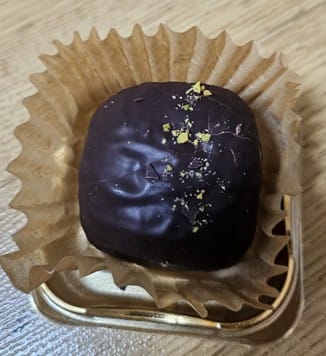
What is Dubai Jjonddeuk Cookie? This pistachio-filled, marshmallow-coated Korean dessert went viral on Instagram and TikTok — with long lines, 500-calorie indulgence, and even dating memes. Here’s the full story behind the hype.
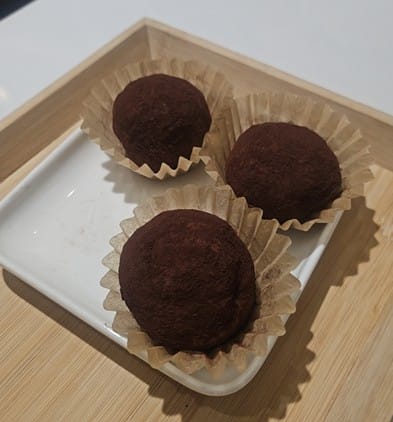
Why This Korean Dessert Trend Went Viral — and Faded Quickly
If you were scrolling through Korean Instagram or TikTok recently, you may have seen a dessert called the Dubai Jjonddeuk Cookie (often shortened to Dujjonku).
Despite the name, this dessert is not actually from Dubai. Instead, it is a Korean reinterpretation inspired by the viral Dubai chocolate trend.
Let’s break down what the Dubai Jjonddeuk Cookie is, why it became so popular in Korea, how much it cost, and why the hype faded within just a few months.
What Is Dubai Jjonddeuk Cookie?
The Dubai Jjonddeuk Cookie is essentially a fusion of:
- The viral Dubai chocolate (milk chocolate filled with pistachio cream and crispy kataifi pastry)
- Korea’s chewy “jjonddeuk” marshmallow cookie trend
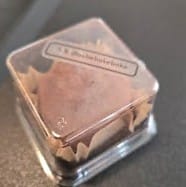
The original Dubai chocolate, popularized by Fix Dessert Chocolatier in Dubai, features a rich milk chocolate shell filled with pistachio cream and crunchy kataifi (a shredded phyllo-like pastry). The combination of creamy, nutty, and crispy textures went viral on social media.
At the same time, Korea was experiencing a trend for chewy marshmallow cookies — desserts known for their stretchy, gooey texture.
Someone combined the two ideas, and the Dubai Jjonddeuk Cookie was born.
What Does It Taste Like?
The Dubai Jjonddeuk Cookie is:
- Very sweet
- Rich and nutty (from pistachio cream)
- Crispy on the inside (from kataifi)
- Chewy on the outside (from marshmallow-based dough)
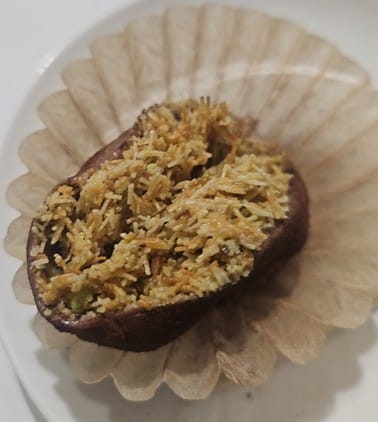
When cut open, the bright green pistachio filling and stretchy marshmallow texture made it extremely “Instagrammable.” The visual appeal played a huge role in its popularity.
How Much Did It Cost?
At the peak of the trend, one cookie cost between:
- 6,500 KRW
- 7,500 KRW
- Up to 10,000–12,000 KRW per piece
For a single dessert item, this was considered quite expensive.
Some stores had 30–60 minute waiting lines. Online orders often sold out for days.
The high price and limited availability actually increased curiosity:
“If it’s that hard to get, it must be amazing.”

Estimated Calories: Another Reason for the Decline
Another factor people began talking about was calorie content.
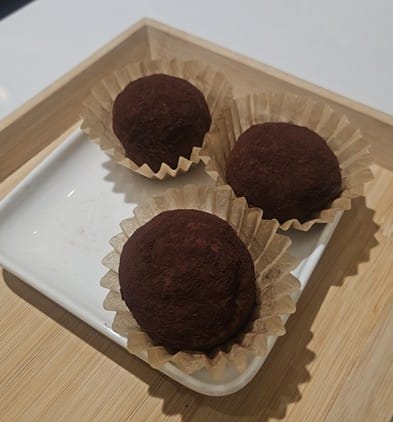
Depending on the size and ingredients, one Dubai Jjonddeuk Cookie was estimated to contain around 400–500 kcal per piece.
Because it contains:
- Marshmallow
- Milk chocolate
- White chocolate
- Pistachio cream
- Butter
- Fried kataifi
…it is naturally high in sugar and fat.
Some consumers began commenting:
“It’s almost a full meal’s worth of calories.”
“If I’m eating 450 kcal, I’d rather just eat proper food.”
As health awareness increases — especially among younger consumers — calorie considerations became another reason why many people tried it once but didn’t repurchase.
Why Did the Trend Fade So Quickly?
The Dubai Jjonddeuk Cookie followed a classic Korean dessert trend pattern.
1. One-Time Curiosity Consumption
Many people bought it out of curiosity.
After trying it once and thinking,
“Oh, that’s what it tastes like,”
they didn’t necessarily feel the need to buy it again.
It became more of an “experience dessert” than an everyday treat.
2. High Price for a Dessert
Online discussions included comments like:
“For that price, I could buy a full meal.”
“It’s good, but not something I’d pay 10,000 KRW for again.”
As inflation continues to affect food prices, consumers became more selective.
3. Loss of Exclusivity
At first, only a few specialty bakeries sold it.
But soon:
- Cafés
- Local bakeries
- Fried chicken shops
- Convenience stores
- Major franchise brands
…all released their own versions.
Once it became widely available, the “rare and special” factor disappeared.
4. It Became a Meme
Interestingly, the Dubai Jjonddeuk Cookie also turned into a cultural meme.
There was even a running joke online:
“If a guy has tried Dubai Jjonddeuk Cookie, he probably has a girlfriend.”
The idea was that young women tend to be more sensitive to dessert trends, so if a man had tried it, people jokingly assumed his girlfriend introduced it to him.
In that sense, the cookie became more than just a dessert — it became a social signal, a trend marker.
Once something turns into a meme and everyone has “checked it off,” the urgency fades.
A Typical Korean Trend Cycle
The Dubai Jjonddeuk Cookie perfectly illustrates how fast Korean food trends move:
- Social media viral moment
- Long lines and sold-out status
- High prices justified by hype
- Mass production and imitation
- Loss of exclusivity
- Rapid decline in excitement
It burned bright — and briefly.
Should You Try It If You Visit Korea?
If you enjoy:
- Pistachio desserts
- Rich chocolate
- Chewy textures
- Trendy “viral” foods
…it’s still worth trying once.
Just be prepared for:
- Intense sweetness
- High calories
- A premium dessert price
It may not become your favorite everyday snack, but as a snapshot of Korean dessert culture, it’s an interesting and memorable experience.