Why Ube Desserts Are Suddenly Trending in Korea
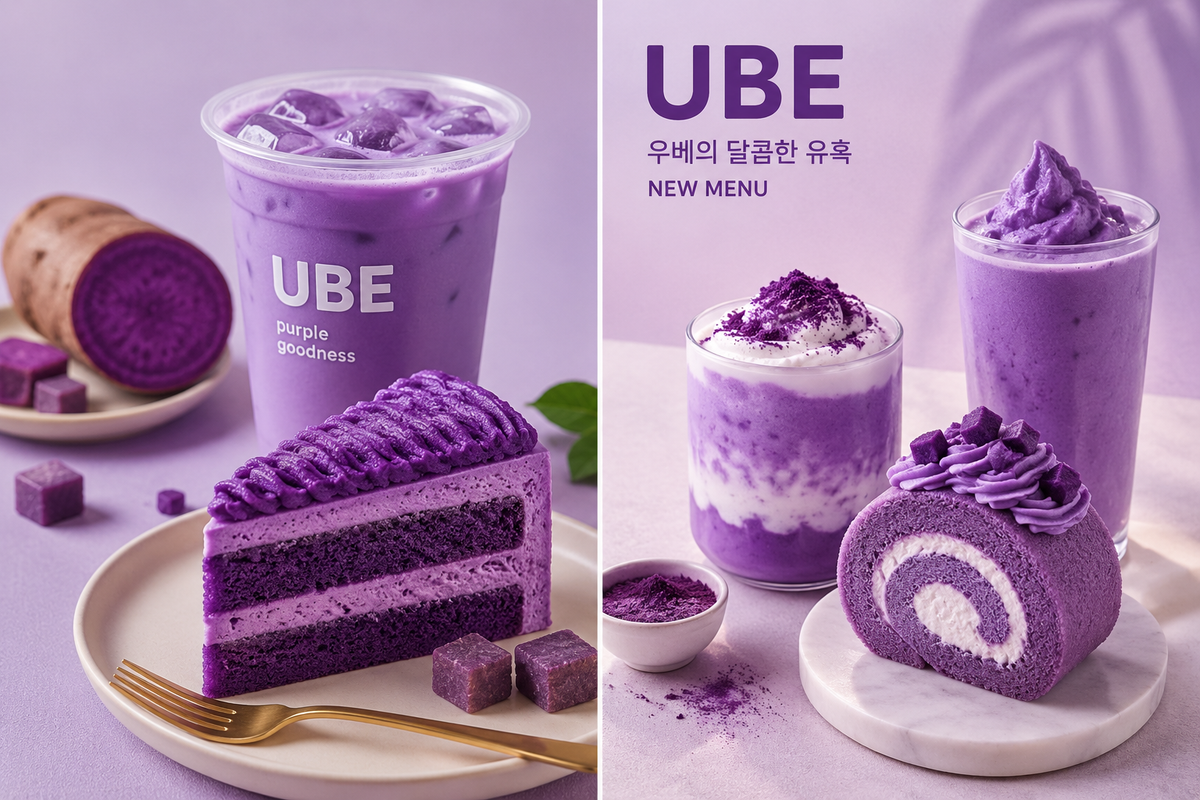
Why are ube desserts suddenly everywhere in Korea? From purple cakes to ube lattes, this post explores Korea’s latest dessert trend and why people are fascinated by it.
The Latest Dessert Trend in Korea: Ube
Recently, new dessert trends have been constantly appearing in Korea.
Not long ago, I wrote about “Dujjonku” (Dubai chewy cookies), and there was also a dessert called “Butter Rice Cake” that became popular after coming from Shanghai.
But lately, another ingredient has started getting attention again:
👉 Ube
What Is Ube?
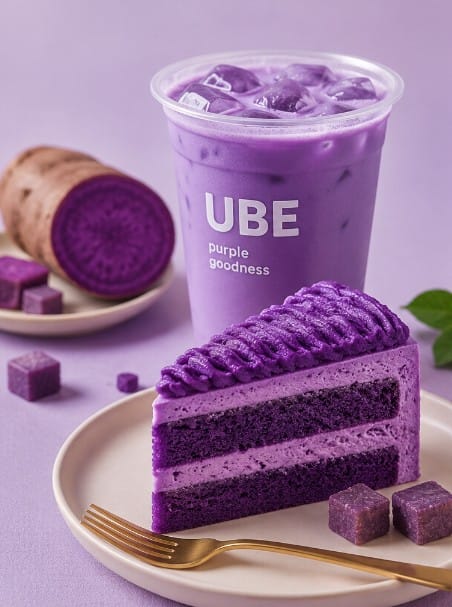
Ube is a purple root vegetable often used in Filipino desserts.
Korea does have similar root vegetables like yam, but
👉 deep purple ingredients like ube are still quite uncommon in Korea.
Because of that, many people seem fascinated by ube’s unique color alone.
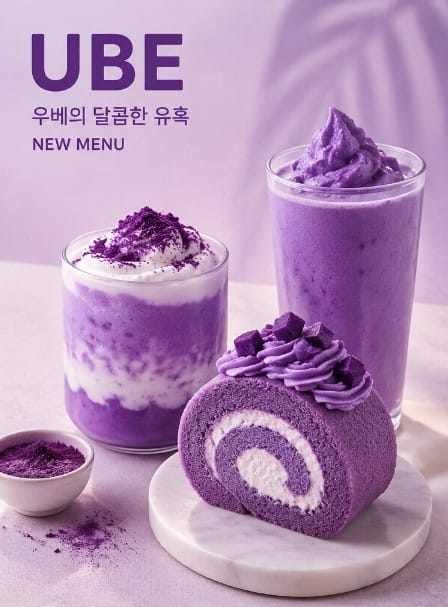
If you visit cafés in Korea these days, you’ll often see:
- purple cakes
- purple lattes
- purple cream desserts
Many of these are made with ube.
Why Is It Becoming Popular?
There are several theories about why ube desserts suddenly became trendy.
Some people say it may be connected to K-pop or even BTS,
but honestly, I’m not sure if that’s really the main reason.
Personally, I think it has more to do with
👉 people’s curiosity toward unfamiliar ingredients.
In fact, earlier dessert trends like “Dujjonku” also became popular partly because of ingredients such as:
- pistachio
- kataifi
These ingredients felt new and exotic to many people in Korea.
Ube feels very similar in that sense.
The Unique Texture of Ube
People’s reactions to ube desserts are somewhat divided.
Of course, it depends on the dessert itself,
but some ube desserts have a slightly sticky and soft texture that comes from the ingredient.
Because of this:
👉 some people find the texture interesting and enjoyable
👉 while others feel a bit uncomfortable with it
There are also people who simply feel unfamiliar with food that is naturally purple.
Is Ube Actually Healthy?
Some people might think:
👉 “Since ube is a root vegetable, maybe these desserts are healthier?”
Honestly, I thought that at first too 🙂
But in reality,
most ube desserts are still made with:
- sugar
- flour
- cream
- sweet syrups
So I don’t think they’re dramatically healthier than regular desserts.
Also, in some cafés,
the amount of actual ube used is fairly small.
In those cases,
you probably won’t really experience any noticeable “health benefits” from ube itself.
At the end of the day,
it feels more like something fun and trendy to try rather than a health food.
Korean Dessert Trends Change Very Quickly
One thing I’ve noticed is that
dessert trends in Korea change extremely fast.
Last year, Taiwanese desserts became trendy.
Then Dujjonku became hugely popular.
And now ube desserts are appearing everywhere.
But personally,
I still don’t think any recent dessert trend has surpassed the impact of Dujjonku.
That’s because Dujjonku:
- was reinterpreted in a very Korean way
- spread rapidly through social media
- and even started appearing overseas
Meanwhile, ube is already a familiar ingredient in many other countries,
so even if it becomes trendy in Korea,
I’m not sure whether it will create the same level of cultural impact.
Final Thoughts
Today, I wanted to briefly talk about
the recent rise of ube desserts in Korea.
Korean food and dessert trends move incredibly fast these days,
and honestly, watching those trends evolve has become pretty interesting.
I’ll be back again with another Korean trend story soon 🙂