Why Is True Education So Popular in Korea?
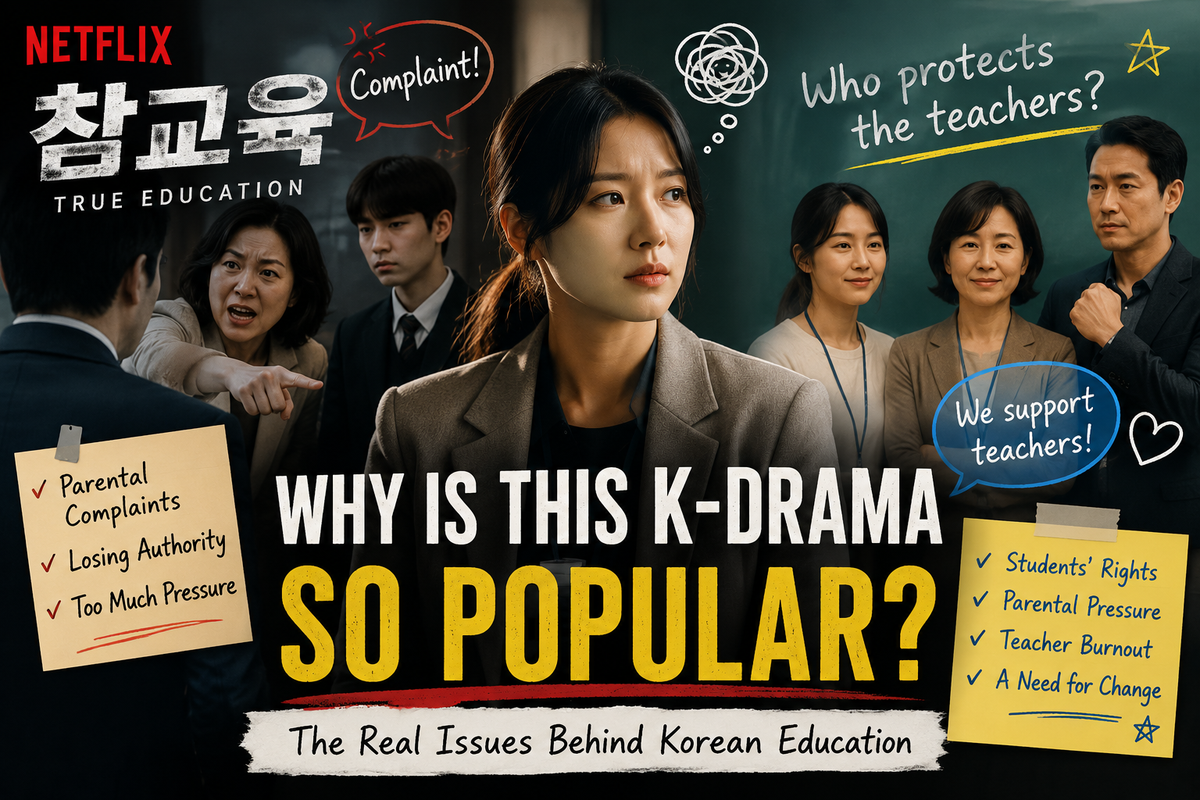
Recently, I started watching a Korean Netflix series called True Education (참교육).
Originally, it was a popular webtoon before being adapted into a drama, and it has attracted a lot of attention—especially from teachers in Korea.
At first, I thought it was simply another school drama.
But after reading people's reactions, I realized that many Korean teachers found it surprisingly relatable.
That made me curious.
Why did this drama resonate with so many people?
More Than Just a School Drama
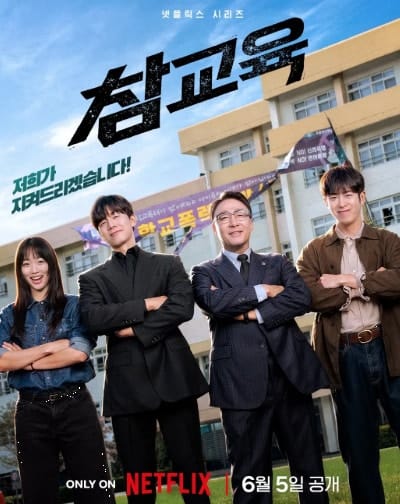
The story follows a special government organization that steps in when schools can no longer handle serious conflicts between teachers, students, and parents.
Rather than focusing only on students, the drama asks a different question:
"Who protects the teachers?"
This simple question is one of the biggest reasons the series has received so much attention in Korea.
Understanding the Background
To understand why this drama became popular, it helps to know a little about how education in Korea has changed.
Several decades ago, Korean schools were generally much stricter than they are today.
School uniforms, hairstyles, and even hair length were often regulated, and corporal punishment was still allowed in many schools.
Since the 2000s, however, Korea has placed much greater emphasis on students' rights and personal freedom.
Many of these changes were important and reflected broader social progress.
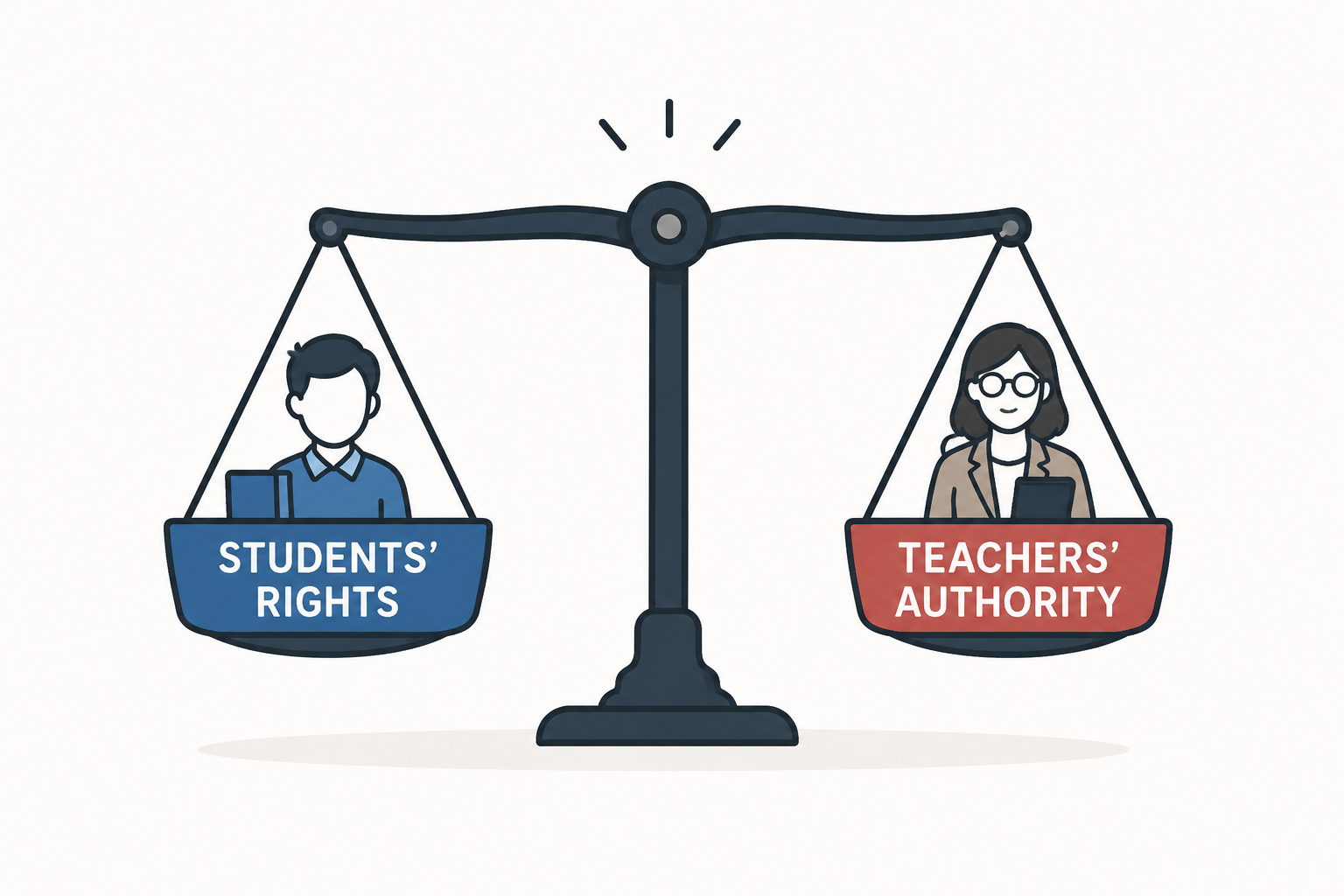
At the same time, they also led to new discussions about how schools should balance the rights of students with the authority and responsibilities of teachers.
Why Teachers Related to the Drama
Another part of the story is Korea's highly competitive education system.
Many students spend long hours studying, not only at school but also at private academies known as hagwons.
Because education is considered extremely important, parents naturally become very involved in their children's school life.
In recent years, some teachers have shared stories about receiving frequent complaints from parents or feeling that handling these situations has become increasingly stressful.
Of course, this does not represent every school or every parent.
Many parents and teachers work together very well.
However, these kinds of stories have been discussed frequently in Korean society, and the drama reflects many of those concerns.
For that reason, many teachers said they found the series both emotional and satisfying to watch.
A Conversation Beyond Entertainment
One thing I found interesting is that discussions about this drama often go beyond the story itself.
Instead, people begin talking about questions such as:
- How should schools protect both students and teachers?
- Where should the balance be between students' rights and teachers' authority?
- What role should parents play in education?
These are not questions with simple answers, and different people naturally have different opinions.
However, the fact that the drama sparked these conversations may be one of the reasons it became so popular.
Final Thoughts
Whether you agree with every message in True Education or not, I think it offers an interesting look at some of the conversations currently happening in Korean education.
Rather than simply being an action-packed school drama, it reflects real concerns that many teachers, parents, and students have discussed in recent years.
If you're interested in Korean society beyond K-pop and food, I think it's a fascinating series that provides insight into how education is viewed in Korea.
One more interesting fact: True Education was originally a webtoon before it became a Netflix series. If you enjoy reading webtoons, I'd recommend checking out the original version as well. It's interesting to compare how the story was adapted from the webtoon to the live-action drama.
Original Korean Webtoon:
Naver Webtoon – True Education (참교육)